

The basic idea
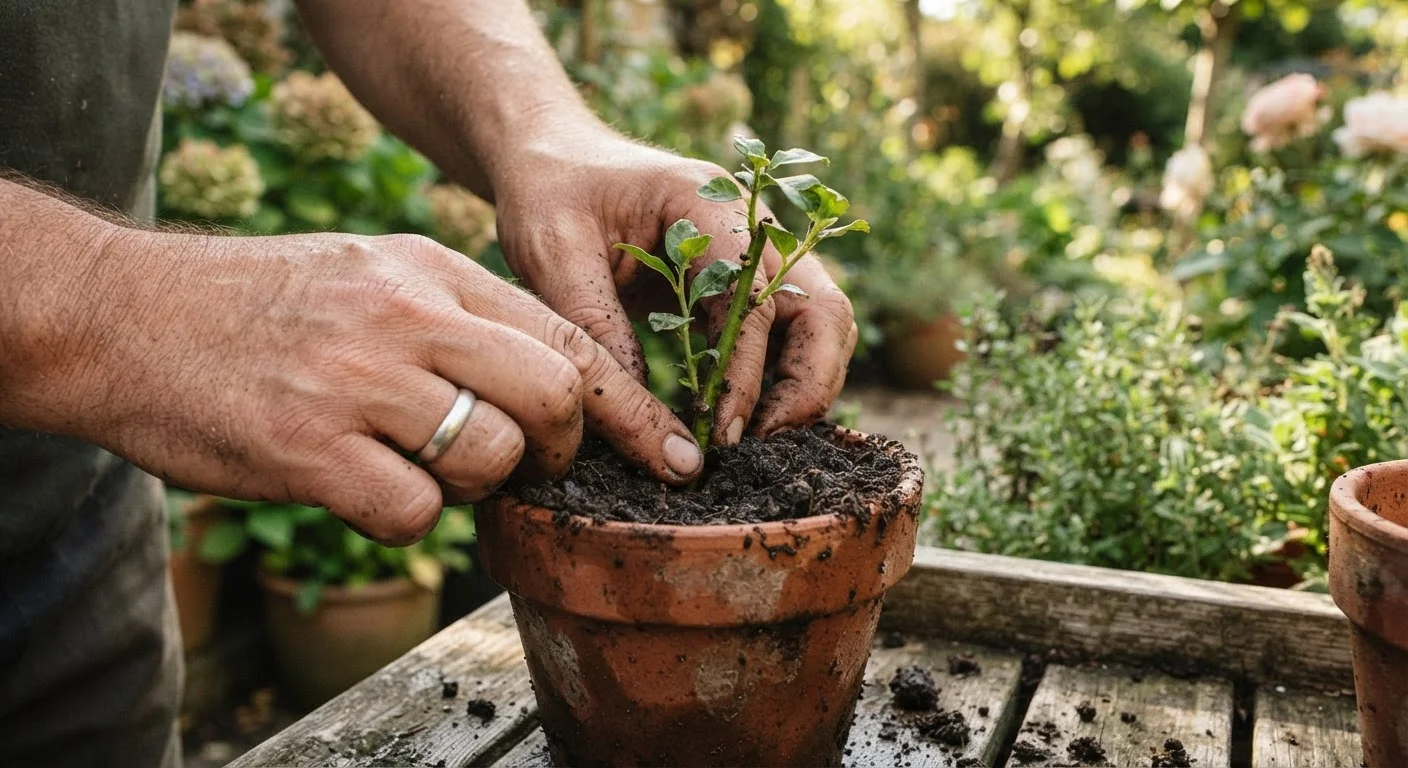
When a plant grows from a cutting, it starts not as a seed but as a fragment of a mature plant. You remove a short section of stem (or, depending on the plant, a leaf or a piece of root), place it in water or moist soil, and wait for it to produce its own roots. Once roots form, it is a fully independent plant.
The reason this matters for budget gardeners is simple: it costs nothing beyond the time it takes. If your neighbor has a thriving rosemary bush, a friend grows a pothos they love, or you already have a mint plant on the windowsill, those existing plants can supply cuttings for as many new plants as you want. You are multiplying what you have rather than buying what you need.
For families trying to fill a garden on a tight budget, that difference is real. A single established herb plant can yield a dozen cuttings in one season. Compare that to paying for transplants at a garden center every spring, and the savings add up quickly. For a broader look at holding down startup costs, see where new gardeners typically overspend.
How cuttings actually root
Plants have a built-in ability to generate new roots from cut tissue. When you slice a stem cleanly just below a node (the small bump or joint where a leaf attaches), the wound triggers cells at that point to reorganize and form roots. That process does not require anything exotic.
What it does require is the right conditions. The cutting needs to stay hydrated while it has no roots to draw water from, so high humidity or a simple plastic bag placed over the pot helps. It needs warmth, generally above 60 degrees Fahrenheit, and indirect light rather than direct sun. Direct sun stresses the cutting before it can sustain itself.
Soil for cuttings should drain well so the stem does not rot while waiting for roots. A mix of perlite and potting soil works. Some plants root faster in plain water and can be moved to soil once roots are an inch or two long.
Keep your cutting tool clean
Wipe scissors or a knife with rubbing alcohol before taking cuttings, especially when moving between plants. A contaminated blade can spread fungal or bacterial disease that prevents rooting. This one habit improves success rates more than most other preparation steps.
Cleanliness matters more than most beginners expect. Use a sharp, clean knife or scissors for every cut. A dull or dirty blade crushes the stem tissue and introduces bacteria, both of which slow or prevent rooting.
Which plants work best for beginners
Not every plant roots easily from a cutting, but many of the ones most useful to a home gardener do. Soft-stemmed herbs are the easiest starting point. Basil, mint, and lemon balm will root in a glass of water on a sunny windowsill in about two weeks. Rosemary and thyme take longer and do better started in soil, but both are reliable once you get the technique down.
Common houseplants like pothos, spider plants, and coleus are forgiving and root quickly, which makes them good practice for anyone new to propagation. Woody garden shrubs such as forsythia, hydrangea, and butterfly bush can be propagated from stem cuttings taken in late spring or early summer, though they need more patience.
Vegetables are trickier as a category. Tomatoes are actually one of the more rewarding exceptions: a side shoot (called a sucker) pinched off a tomato plant will root in water and produce a new transplant. That is a meaningful saving if you would otherwise buy a second transplant. For a comparison of when cuttings make sense versus starting from seed, see the trade-offs between seeds and seedlings.
~$3-4
Typical retail cost per herb transplant
Garden center herb transplants in the US generally sell for $3 to $4 each, making free cuttings a meaningful saving when you need multiple plants.
1-2 weeks
Time for soft-stem cuttings to root
Basil and mint cuttings placed in water at room temperature typically produce visible roots within one to two weeks under indirect light.
10-12
Cuttings possible from one established herb
A single healthy, bushy herb plant can yield eight to twelve viable cuttings in a single growing season without harming the parent plant.
Fitting cuttings into a budget garden plan
Propagating from cuttings works best when it is part of a deliberate plan rather than something you try once and forget. Before a growing season starts, take stock of what you already have or what you can get from other gardeners. Established perennial herbs, ornamental shrubs, and houseplants are all candidates.
Cuttings also reduce dependence on garden center timing. You are not locked into buying transplants only when the store stocks them in spring. You can take cuttings from outdoor plants in late summer, root them indoors over winter, and have transplants ready by the time the ground warms up. That kind of planning is what makes a small garden productive year after year without a recurring plant budget.
Pair this approach with other free inputs and the cost of a productive garden drops further. Making compost from kitchen scraps means rooted cuttings go into soil you did not pay for. Choosing high-yield crops means every square foot of that garden earns its space. For a complete picture of launching a garden on a limited budget, see starting a home garden when money is tight.
Frequently Asked Questions
Basil, mint, rosemary, pothos, coleus, and many woody shrubs like forsythia root reliably from stem cuttings. Succulents propagate well from leaf cuttings. If you are new to the method, starting with mint or pothos gives you a high success rate with very little preparation.
Rooting hormone powder or gel can speed up root formation and improve success rates on harder-to-root plants, but it is not required for most common herbs and houseplants. Many gardeners root basil and mint in a glass of plain water without any additives at all.
Soft-stem cuttings like basil can show roots in one to two weeks in water. Woody cuttings from shrubs may take four to eight weeks in soil. The speed depends on the plant species, the temperature, and how much indirect light the cutting receives.
Yes, as long as you have permission. Sharing cuttings is a common practice among home gardeners and a straightforward way to get new plants at no cost. Some patented plant varieties are legally protected against propagation, but that restriction applies to commercial growers, not home gardeners sharing a single cutting.
A seedling grows from a seed and may vary slightly from the parent plant depending on how the seed was produced. A cutting is a piece taken from an existing plant and produces a clone, meaning the new plant will have the same characteristics as the original.
The content provided on our blog site traverses numerous categories, offering readers valuable and practical information. Readers can use the editorial team’s research and data to gain more insights into their topics of interest. However, they are requested not to treat the articles as conclusive. The website team cannot be held responsible for differences in data or inaccuracies found across other platforms. Please also note that the site might also miss out on various schemes and offers available that the readers may find more beneficial than the ones we cover.