

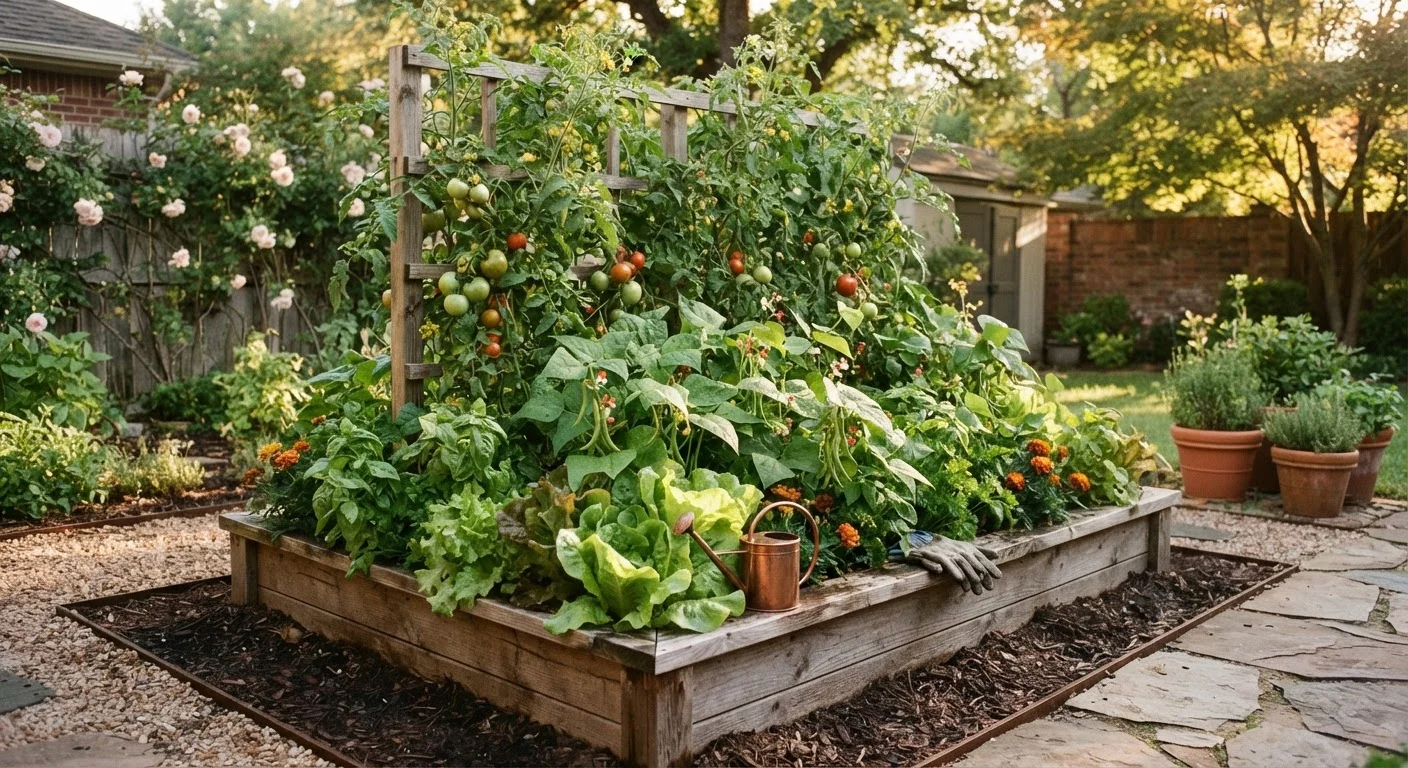
Why crop selection matters more in a small garden
A 4x8 raised bed or a 50-square-foot in-ground plot can only hold so many plants. When space is limited, growing something that produces a handful of vegetables over an entire season is a real cost in both money and effort. The crops on this list were chosen because they produce heavily relative to the ground they occupy, and because their grocery store prices make homegrown versions genuinely worthwhile for a family budget.
If you are just getting started, this guide to starting a home garden when money is tight covers the foundational decisions before you spend anything. For those deciding between seeds and transplants, the seed vs. seedling trade-off article breaks down where each approach saves or costs you money.
Zucchini
Few vegetables match zucchini for sheer output. A single healthy plant in good soil can produce 6 to 10 pounds of fruit over a growing season, sometimes more. Because zucchini grows vertically with some training, it can fit a smaller footprint than its sprawling reputation suggests. Start from seed directly in the ground after the last frost date for your region, since transplanting often sets the plant back. A packet of seed typically costs under $3 and contains enough seed for several plants.
The practical catch: zucchini produces faster than most families can eat it, so plan to harvest every two to three days to keep the plant producing. Oversized zucchini signals the plant to slow down.
One healthy zucchini plant can produce 6 to 10 pounds of fruit in a single growing season.
Leaf lettuce
Leaf lettuce is one of the most space-efficient crops available because you harvest outer leaves continuously rather than pulling the whole plant at once. A 12-inch row can supply regular salad greens for weeks. Lettuce germinates quickly, tolerates partial shade, and can be grown in shallow containers, which means it fits spaces other vegetables cannot use. Pre-washed bagged salad greens carry a significant grocery markup, so homegrown lettuce delivers clear savings.
Sow a short row every two to three weeks from early spring through early fall (skipping the hottest weeks in summer when lettuce bolts) to maintain a steady supply. In mild climates, fall and winter plantings are also productive.
Harvesting outer leaves continuously from a single row of lettuce can supply weeks of salad greens.
Bush beans
Bush beans produce a full crop without staking or trellising, which keeps setup costs low. They grow quickly, typically 50 to 60 days from seed to harvest, and a 10-foot row can yield several pounds of beans. Unlike pole beans, bush varieties ripen most of their crop within a two-week window, so you can pull the plants and replant the bed with a fall crop like kale or spinach. Direct-seed bush beans after soil temperatures reach 60 degrees Fahrenheit; they do not transplant well.
Because beans fix nitrogen in the soil, planting them in a bed you plan to use for a heavy feeder next season (like tomatoes or corn) is a practical rotation strategy.
Bush beans fix nitrogen in the soil, which reduces the fertilizer cost for the next crop in that bed.
Tomatoes (determinate varieties)
Tomatoes are the most commonly grown backyard vegetable in the United States, and for good reason. A single determinate plant, which grows to a set size and ripens its fruit in a concentrated window, can produce 10 to 15 pounds in a season while fitting a modest bed. Grocery store tomato prices, particularly for vine-ripened varieties, make the homegrown version a genuine money-saver.
Determinate varieties are easier to manage in small spaces than indeterminate types, which can grow 6 feet tall or more and require substantial caging. Start from transplants if your growing season is short; start from seed indoors 6 to 8 weeks before your last frost date to reduce per-plant cost. Comparing seed and transplant costs is worth doing before your first tomato purchase.
A single determinate tomato plant can produce 10 to 15 pounds of fruit in one growing season.
Kale
Kale produces leaves continuously for months, and a few plants can supply more than a typical family eats in a week. It tolerates cold well, meaning it often produces from late summer through early winter in most US climates, extending your harvest season well past what warm-weather crops allow. Because kale is a cut-and-come-again green, like leaf lettuce, you never harvest the whole plant at once.
Kale seeds are inexpensive and germinate reliably. The plants grow large, so spacing matters: plan on 12 to 18 inches between plants. In a small bed, three to four kale plants alongside a row of lettuce can cover a family's leafy green needs for a significant portion of the year.
Three to four kale plants can supply a family's leafy green needs across several months of cooler weather.
Radishes
Radishes mature in as few as 25 to 30 days from seed, which makes them one of the fastest ways to get food out of any garden space. They work well as a filler crop: sow them between slower-growing plants like tomatoes or peppers, and they are ready to harvest before the larger plants need the room. A single seed packet, often under $2, contains enough seed for multiple successive sowings through spring and fall.
Radishes are also a practical choice for families with children learning to garden, since the fast turnaround from planting to harvest is more immediately rewarding than waiting months for tomatoes.
Radishes mature in as few as 25 days, making them one of the fastest crops to harvest in any garden.
Swiss chard
Swiss chard is underused in American home gardens relative to what it produces. Like kale, it is a cut-and-come-again crop, but it tolerates more summer heat than kale does, making it productive across a longer season in warmer parts of the country. A small planting of four to six plants can supply consistent greens from spring through fall with minimal inputs.
Chard grows well in containers if your only available space is a patio or deck. A 5-gallon container with two plants can produce a workable harvest. Because chard is rarely sold cheaply in grocery stores, the value difference between store-bought and homegrown is noticeable.
Swiss chard tolerates summer heat better than most leafy greens, stretching the productive season considerably.
Getting the most from what you plant
Choosing high-yield crops is the first step. The second is making sure the space those crops occupy keeps working through the season. Succession planting, where you sow a short row of lettuce or radishes every two to three weeks instead of all at once, spreads the harvest without requiring more ground. When one crop finishes, pull it and replant the same bed with something that suits the next part of the season.
Use succession planting to fill gaps
When one crop finishes, resist the urge to leave the bed empty. A quick-maturing crop like radishes or a second sowing of bush beans can fill that space within days of the previous harvest ending. Keeping a short list of fast-growing fallback crops on hand means you waste less of the growing season with bare soil.
If you are weighing whether a raised bed or an in-ground plot makes more financial sense for your yard, the raised beds vs. in-ground plots cost comparison walks through both setups with real numbers. Either approach works well for the vegetables listed here.
The content provided on our blog site traverses numerous categories, offering readers valuable and practical information. Readers can use the editorial team’s research and data to gain more insights into their topics of interest. However, they are requested not to treat the articles as conclusive. The website team cannot be held responsible for differences in data or inaccuracies found across other platforms. Please also note that the site might also miss out on various schemes and offers available that the readers may find more beneficial than the ones we cover.