

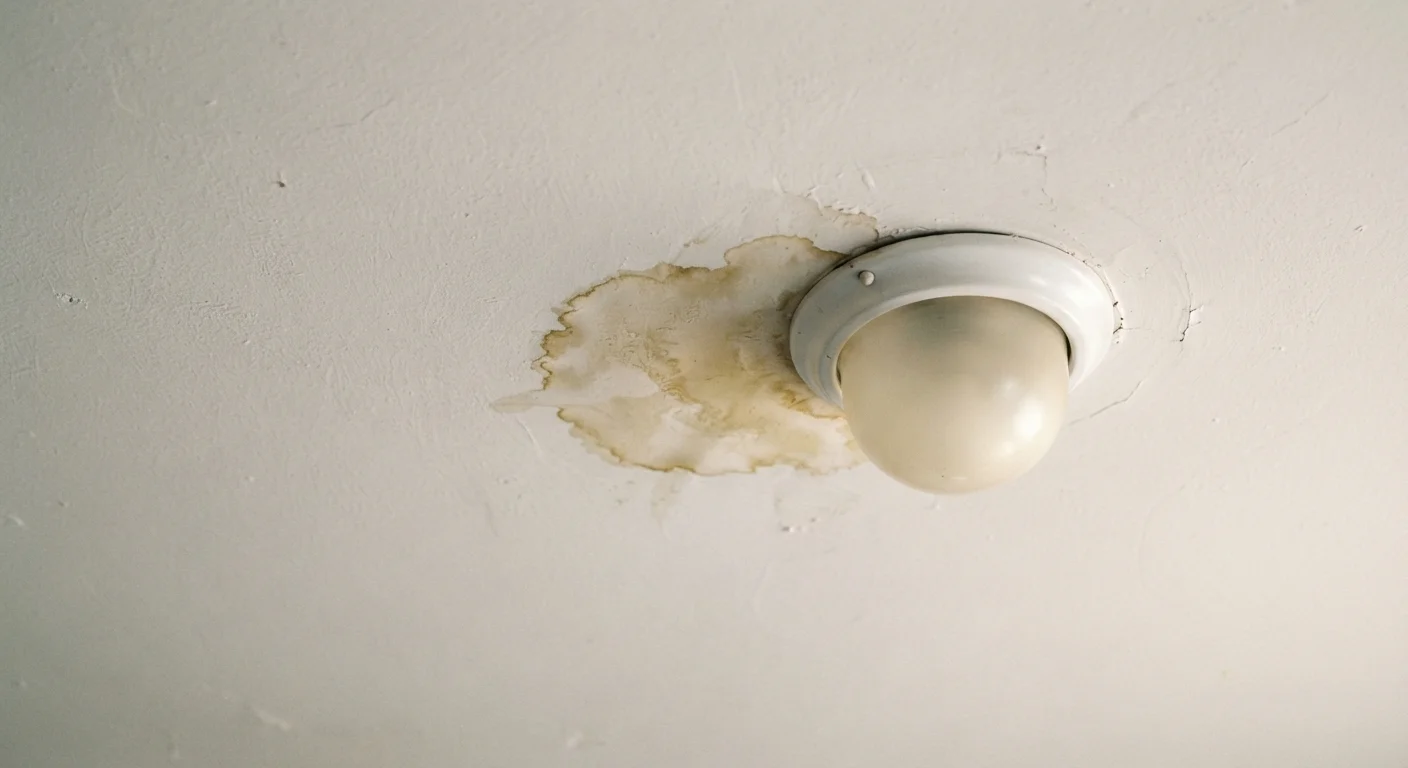
Why small repairs become big bills
A dripping faucet, a hairline crack in caulk, a slow-draining tub: each feels like a problem that can wait until the weekend. Then the weekend passes, and then a month does, and by the time it gets attention the repair has grown. Water intrusion from a failed caulk line can penetrate subflooring. A dripping supply line can quietly saturate drywall and invite mold. The repair bill that started at roughly $10 in sealant can reach four or five figures once structural materials are involved.
This pattern shows up across the home: gutters, HVAC filters, weatherstripping, grout lines, and attic vents all follow the same logic. The cost of the original fix is small. The cost of the secondary damage is not. Household budgets leak in many ways, and deferred maintenance is one of the most predictable sources.
Ignoring slow leaks under sinks or around toilets.
Why it happens: The leak is minor and contained, so it feels like a low priority compared to other household demands.
Skipping HVAC filter changes for months at a time.
Why it happens: Filters are out of sight, and the system keeps running, so there is no obvious signal that anything is wrong.
Leaving cracked or missing caulk around tubs, showers, and windows.
Why it happens: The gap is small and does not look urgent, and re-caulking feels like a messy, time-consuming job.
Neglecting gutters until water pours over the sides.
Why it happens: Gutters are high up, easy to forget, and their failure is gradual rather than sudden.
Delaying exterior paint or sealant touch-ups when the surface just looks worn.
Why it happens: Peeling paint looks like a cosmetic issue, so families prioritize more visible interior projects.
What the numbers tend to look like
1%
Annual home value to budget for maintenance
A widely cited rule of thumb in personal finance and real estate guidance is to set aside roughly 1% of a home's value each year for routine maintenance.
$10,000+
Average mold remediation cost (severe cases)
The EPA notes that mold remediation costs vary widely, but extensive infestations requiring wall removal and air treatment can exceed $10,000.
15%
Energy waste from dirty HVAC filters
The U.S. Department of Energy has indicated that a clogged filter can reduce HVAC system efficiency by up to 15%, raising monthly energy costs.
Exact figures vary by region, home age, and materials, but the general ratios are well established in the construction industry. Replacing a section of subflooring damaged by a slow leak typically costs many times more than the plumber visit that would have stopped the leak in the first place. Mold remediation in a wall cavity can run from a few hundred to several thousand dollars depending on spread, while the tube of caulk that might have prevented it costs under $10.
For families watching their budgets, the math is straightforward. A seasonal maintenance routine that costs a few hours and a small supply budget can intercept repairs that would otherwise consume a significant portion of a month's income. Simple fixes also lower utility bills because gaps, failed seals, and dirty filters all increase energy use.
Building a habit that sticks
The reason most small tasks go undone is not laziness. It is that homes have no natural reminder system. A loose hinge does not send a notification. Blocked gutters do not appear on a calendar. The fix is to build one yourself: a two-page seasonal checklist that you review in spring and fall covers most of the items that generate large repair bills.
Spring is the time to check for winter damage to caulk and weatherstripping, inspect roof flashing, clear gutters, and test smoke and carbon monoxide detectors. Fall is the time to drain exterior hose bibs, service the furnace filter, check attic insulation, and reseal any gaps around exterior penetrations. Neither pass takes more than a couple of hours, and most of the fixes require only basic hardware supplies.
When a task exceeds your skill level or involves electrical, gas, or structural work, weigh the DIY decision carefully. Licensed trades are required for many repairs, and unpermitted work can create problems at resale and with insurance.
Staying on top of maintenance also gives you a clearer picture of where your housing dollars actually go. Families who track these costs often find they fit a pattern described in commonly overlooked household spending categories: small, irregular, and easy to ignore until they compound.
The content provided on our blog site traverses numerous categories, offering readers valuable and practical information. Readers can use the editorial team’s research and data to gain more insights into their topics of interest. However, they are requested not to treat the articles as conclusive. The website team cannot be held responsible for differences in data or inaccuracies found across other platforms. Please also note that the site might also miss out on various schemes and offers available that the readers may find more beneficial than the ones we cover.